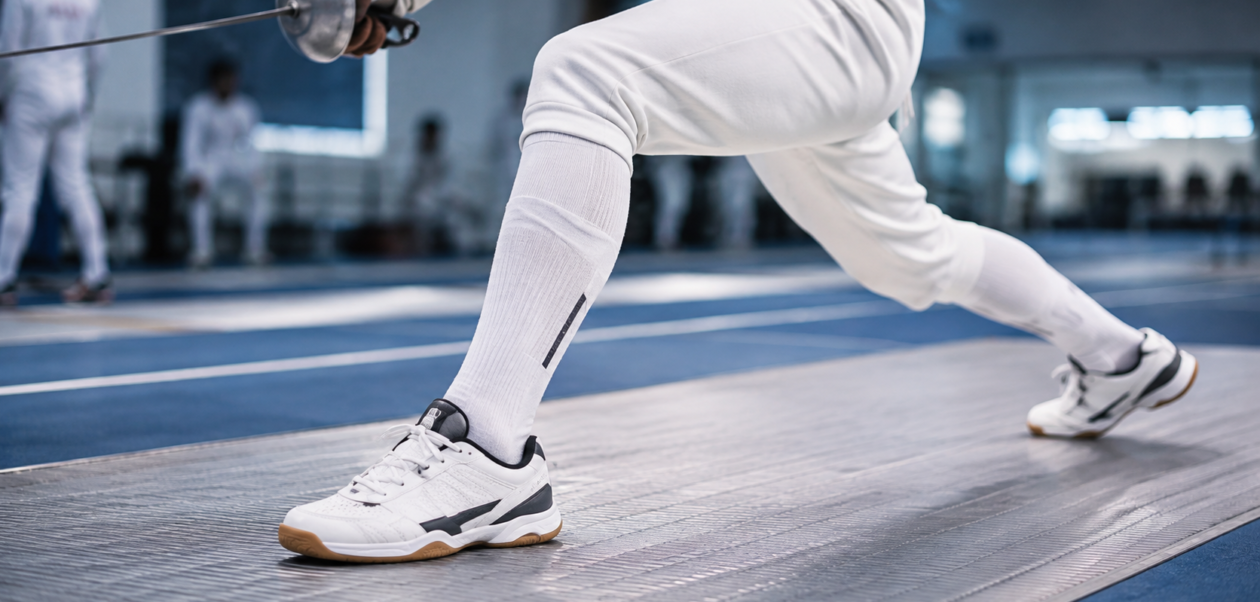
| Quick answer: The best fencing shoes for grip and movement combine a low, stable base with reliable rubber traction, secure heel hold, enough cushioning for repeated stops, and a fit that prevents the foot from sliding inside the shoe. Current 2026 options worth comparing include the AZZA 15/14, OCTAV Excel 2025, PBT Fencera, Prieur Excalibur, and the ASICS GEL-ROCKET 12 as a court-shoe alternative. |
Good footwork depends on more than speed. A fencer has to start, stop, recover, and change direction repeatedly on a narrow strip. That puts unusual demands on footwear. A shoe that feels soft and comfortable for walking may feel unstable during quick movement, while a very firm shoe can feel harsh during long training sessions.
This guide focuses on the features that matter most for grip and movement rather than treating one model as perfect for everyone. It combines current manufacturer information, a 2024 biomechanics study, and recent specialist review findings. Because fit varies by foot shape, the final choice should still be based on comfort, heel security, and how the shoe feels during supervised training.
Best Fencing Shoes for Grip and Movement: Quick Comparison
| Shoe | Best for | Grip | Stability | Cushioning | Fit note |
| AZZA 15/14 | Grip + structured support | High | High | Moderate/targeted | Usually best for a secure, performance fit |
| OCTAV Excel 2025 | Light, responsive movement | High | High | Moderate | Reviewers note a supportive feel after break-in |
| PBT Fencera | Comfort + roomier fit | High | Good | High | Manufacturer describes a wide, snug fit |
| Prieur Excalibur | Balanced fencing-specific option | Good | Good | Good | Secure heel support is emphasized |
| ASICS GEL-ROCKET 12 | Budget court-shoe alternative | Good | Good | Good | Available in standard and some wide options |
Note: Ratings above are editorial summaries of published specifications and review findings, not laboratory rankings of these exact 2026 models.
What the Science Says About Fencing Shoes
A 2024 peer-reviewed biomechanics study compared fencing shoes, fencing shoes with a heel cup, and court shoes during the fencing lunge. Thirteen female collegiate fencers took part. The average attack time was 0.92 seconds in fencing shoes, 0.93 seconds in fencing shoes with a heel cup, and 0.96 seconds in court shoes. The study also found higher impact loading in fencing shoes, while the heel-cup condition reduced some of those forces. Read the Frontiers study.
The useful takeaway is not that a particular brand will automatically make a fencer faster. The sample was small, and only a few footwear conditions were tested. Instead, the study supports the idea that footwear design can affect how efficiently movement feels and how impact is managed. That makes traction, sole thickness, stability, and cushioning important buying factors.
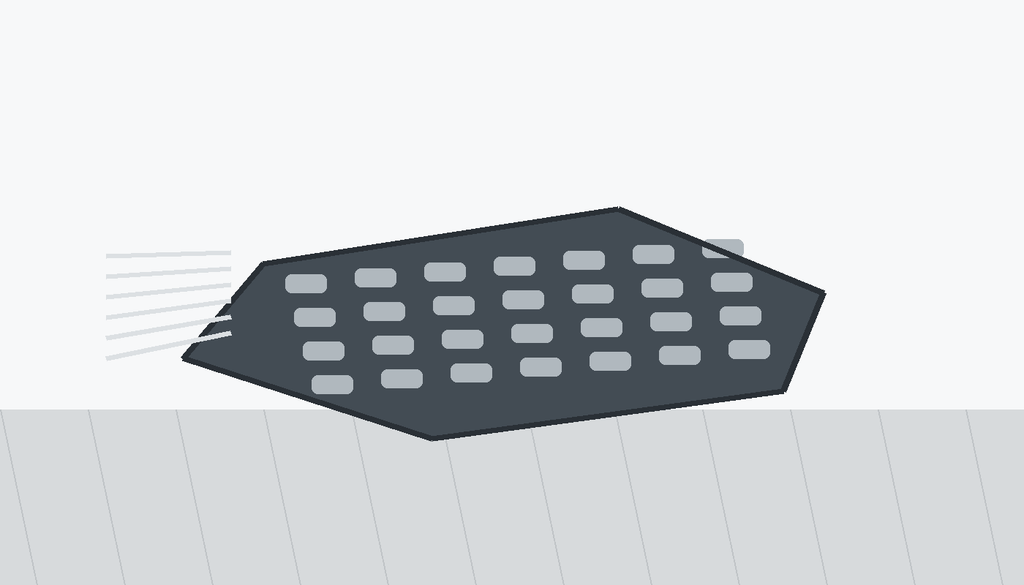
Illustration: A grippy outsole with multi-directional tread can help a shoe feel more secure during starts, stops, and controlled direction changes.
What Makes a Good Fencing Shoe for Grip and Movement?
1. Reliable traction
Look for a non-marking rubber outsole with a tread pattern designed to hold the floor during acceleration and braking. Grip matters most when the floor is smooth or dusty, but a shoe should still allow the foot to move naturally instead of feeling stuck.
2. Lateral stability
Fencing is not only straight-line movement. Small side corrections and off-angle landings happen, so the shoe should resist excessive rolling or twisting.
3. Secure heel hold
If the heel lifts inside the shoe, the foot can slide and control suffers. A snug heel and midfoot are often more important than simply choosing the softest shoe.
4. Low, stable platform
A lower profile can improve ground feel and help the shoe feel predictable. Too much soft foam may feel comfortable at first but less precise during fast movement.
5. Cushioning in the right places
Repeated hard stops create impact. The goal is enough heel protection for comfort without turning the shoe into a very soft running shoe.
6. Reinforcement and durability
High-wear areas around the heel, inner side, and toe can break down quickly in frequent training. Reinforced panels can extend usable life.
7. Correct fit
A fencing shoe should feel secure without crushing the toes. A little toe room is useful, but the foot should not slide forward or sideways inside the shoe.
Top Fencing Shoe Options to Compare in 2026
1. AZZA 15/14 – Best for Grip and Structured Support
AZZA places the 15/14 platform around a low, stable base, directional grip, a structured midfoot, and reinforcement for hard fencing use. Its 2026 buyer guide specifically recommends focusing on outsole compound, tread pattern, lateral support, and a secure fit when grip and movement are the priority.
Why it stands out: The design is fencing-specific and emphasizes traction and control rather than maximum softness. That makes it a strong option for athletes who prefer a planted, responsive feel.
Keep in mind: AZZA is the manufacturer, so performance descriptions on its site are brand claims. Fit should be checked carefully before relying on any size recommendation.
AZZA 2026 fencing-shoe buyer guide
2. OCTAV Excel 2025 – Best Lightweight Pick for Responsive Footwork
OCTAV describes the Excel 2025 as a precision-engineered fencing shoe built around competitive footwork. A February 2026 review from The Fencing Coach praised its traction, lateral stability, low-to-ground feel, and light weight after about two months of use.
Why it stands out: The independent reviewer reported very strong tread performance during braking and direction changes, while also noting that the shoe feels lighter than several premium fencing alternatives.
Keep in mind: The reviewer received a complimentary pair and disclosed that relationship. The same review also mentioned a durability issue with one protective rubber section, so the shoe is not presented here as flawless.
OCTAV official footwear page | Independent 2026 OCTAV review
3. PBT Fencera – Best for a Roomier Fit and More Cushioning
PBT describes the Fencera as a lightweight and flexible fencing shoe with an outer rubber sole, a rounded padded heel, high-abrasion materials, and a flexible foam midsole. The company also describes the fit as wide and snug.
Why it stands out: For fencers who dislike a narrow performance fit, the Fencera is one of the more interesting options to compare. Its rounded heel and cushioning also make it appealing to athletes who want more impact protection.
Keep in mind: Claims such as “maximum traction” come from the manufacturer. Treat them as product specifications and marketing language rather than independent test results.
Manufacturer specifications reviewed for traction, cushioning, flexibility, and fit.
4. Prieur Excalibur – Best Balanced Fencing-Specific Alternative
Prieur lists traction, lightweight flexibility, reinforced heel and side support, and shock absorption among the key features of the Excalibur. That combination gives it a balanced profile for readers who want a purpose-built fencing shoe without choosing only on cushioning or only on grip.
Why it stands out: Its feature set covers the main areas that matter for quick indoor movement: traction, support, flexibility, and impact protection.
Keep in mind: The performance language comes from the manufacturer, so the most important real-world check is still fit and comfort during normal supervised practice.
Manufacturer specifications reviewed for traction, heel support, flexibility, and shock absorption.
5. ASICS GEL-ROCKET 12 – Best Court-Shoe Alternative
The GEL-ROCKET 12 is not a dedicated fencing shoe. ASICS designed it for indoor court use, with a supportive upper for lateral movement, TRUSSTIC technology for stability during quick transitions, cushioning, and flex grooves in the outsole.
Why it stands out: It can be a practical option for beginners or recreational fencers who want a stable indoor shoe before moving to a dedicated fencing model. It is also sold in standard and, in some markets, wide widths.
Keep in mind: Court shoes generally have a different sole geometry and cushioning balance from fencing-specific shoes. The 2024 biomechanics study found a small attack-time difference between the footwear conditions it tested, so experienced competitive fencers may still prefer a purpose-built model.
ASICS GEL-ROCKET 12 specifications

Illustration: A secure heel, reinforced side structure, and a low stable midsole can improve confidence without relying on excessive cushioning.
How to Choose the Right Pair for Your Footwork Style
Start with fit, then compare grip and cushioning. The best shoe on paper is a poor choice if your heel slips, your toes are compressed, or the arch feels unsupported.
- Choose your normal measured size as the starting point instead of automatically sizing up.
- Wear the same type of sports socks you normally use in training when checking fit.
- Make sure the heel stays down when you walk and make controlled changes of direction.
- Check that the toe box gives the toes room to lie naturally without letting the forefoot slide.
- Prefer a stable base over very soft cushioning if your main goal is precise movement.
- For frequent training, inspect the outsole and inner-side reinforcement regularly for wear.
Fencing Shoes vs. Court Shoes
Court shoes can work well for beginners because they are made for indoor surfaces and often provide lateral support. They are also easy to find. Dedicated fencing shoes, however, are built around the repeated forward-back movement, low stance, abrupt stops, and impact patterns of fencing.
| Feature | Fencing-specific shoe | Indoor court shoe |
|---|---|---|
| Sole profile | Usually lower and more specialized | Often thicker with more general cushioning |
| Movement focus | Forward/back stops plus fencing-specific wear zones | Multi-directional court movement |
| Reinforcement | Often placed around fencing wear points | Varies by sport and model |
| Availability | More specialized | Usually easier to find |
| Best fit for | Frequent or competitive fencing | Beginners, cross-training, or budget-conscious users |
How Should Fencing Shoes Fit?
Aim for a secure performance fit, not a painful one. Your heel should feel locked in, the midfoot should not slide, and your toes should have enough space to rest naturally. If your foot is wide, look for a model or width made for that shape instead of buying a shoe that is simply too long.
A new pair may feel firmer than everyday sneakers, but sharp pressure points, numbness, or rubbing are signs that the fit is not right. Young athletes should have sizing checked with a parent, coach, or another responsible adult and should use appropriately fitted footwear rather than training in an oversized pair.
When Should You Replace Fencing Shoes?
There is no single replacement date because training volume, floor type, body weight, and movement style all affect wear. Replace or retire a pair when the outsole becomes smooth, grip changes noticeably, the midsole feels uneven, the upper separates from the sole, or the heel no longer feels secure. Worn traction is more important than appearance alone.
Final Verdict
For pure grip and a structured fencing-specific feel, the AZZA 15/14 is a strong model to compare. The OCTAV Excel 2025 is especially interesting for readers who value low weight and responsive traction. The PBT Fencera stands out for a roomier fit and cushioning, while the Prieur Excalibur offers a balanced set of fencing-focused features. The ASICS GEL-ROCKET 12 remains a practical court-shoe alternative for beginners and budget-conscious users.
The most important rule is simple: choose the shoe that fits your foot securely and gives you predictable traction. Brand reputation matters less than a stable heel, comfortable toe box, reliable outsole, and a cushioning level that suits your training.
Frequently Asked Questions
What shoes have the best grip for fencing?
Dedicated fencing shoes with non-marking rubber and a low, stable platform are usually designed with grip in mind. Current models such as AZZA 15/14, OCTAV Excel 2025, PBT Fencera, and Prieur Excalibur all emphasize traction in their design or published specifications.
Are fencing shoes better than court shoes?
For frequent fencing, purpose-built shoes can offer a more specialized sole profile, reinforcement, and movement feel. Court shoes can still be a good starting option, especially for beginners.
Can volleyball shoes be used for fencing?
Many indoor volleyball shoes provide rubber traction and lateral support, so they may work for beginner or recreational training. Their sole shape and cushioning are not identical to a dedicated fencing shoe, so experienced athletes may prefer fencing-specific footwear.
Are running shoes good for fencing?
Running shoes are mainly designed for forward running and often use softer, taller cushioning. For indoor fencing, a lower and more laterally stable shoe is usually a better match.
Should fencing shoes fit tight?
They should feel secure, especially at the heel and midfoot, but they should not cause pain or compress the toes.
Are lightweight fencing shoes always better?
Not always. Lower weight can make movement feel quick, but stability, cushioning, fit, and durability matter too. A slightly heavier shoe that fits correctly may feel better than a very light shoe that moves on the foot.
How long do fencing shoes last?
There is no fixed lifespan. Check outsole grip, heel security, cushioning, and upper-to-sole separation. Heavy training can wear shoes much faster than occasional practice.