
| QUICK ANSWERVaginal changes with age can include less moisture, thinner tissue and reduced flexibility, especially during perimenopause and after menopause. Hormone changes can also affect the vulva and urinary tract. Some changes are expected, but lasting discomfort, unusual discharge or bleeding should be assessed by a healthcare professional. Genitourinary syndrome of menopause (GSM) is a treatable group of symptoms—not something people must simply endure. |
|---|
Aging affects many parts of the body, including the tissues around the vagina. Yet changes in intimate health are often discussed less openly than skin, hair or sleep. That can leave people unsure whether dryness or irritation is ordinary, temporary or worth checking.
The most useful question is not whether an intimate area looks younger or older. It is whether there are new symptoms, persistent discomfort or changes that need medical attention. This guide explains what happens, why menopause matters and which approaches have evidence behind them.
Vagina vs. Vulva: Understanding the Difference
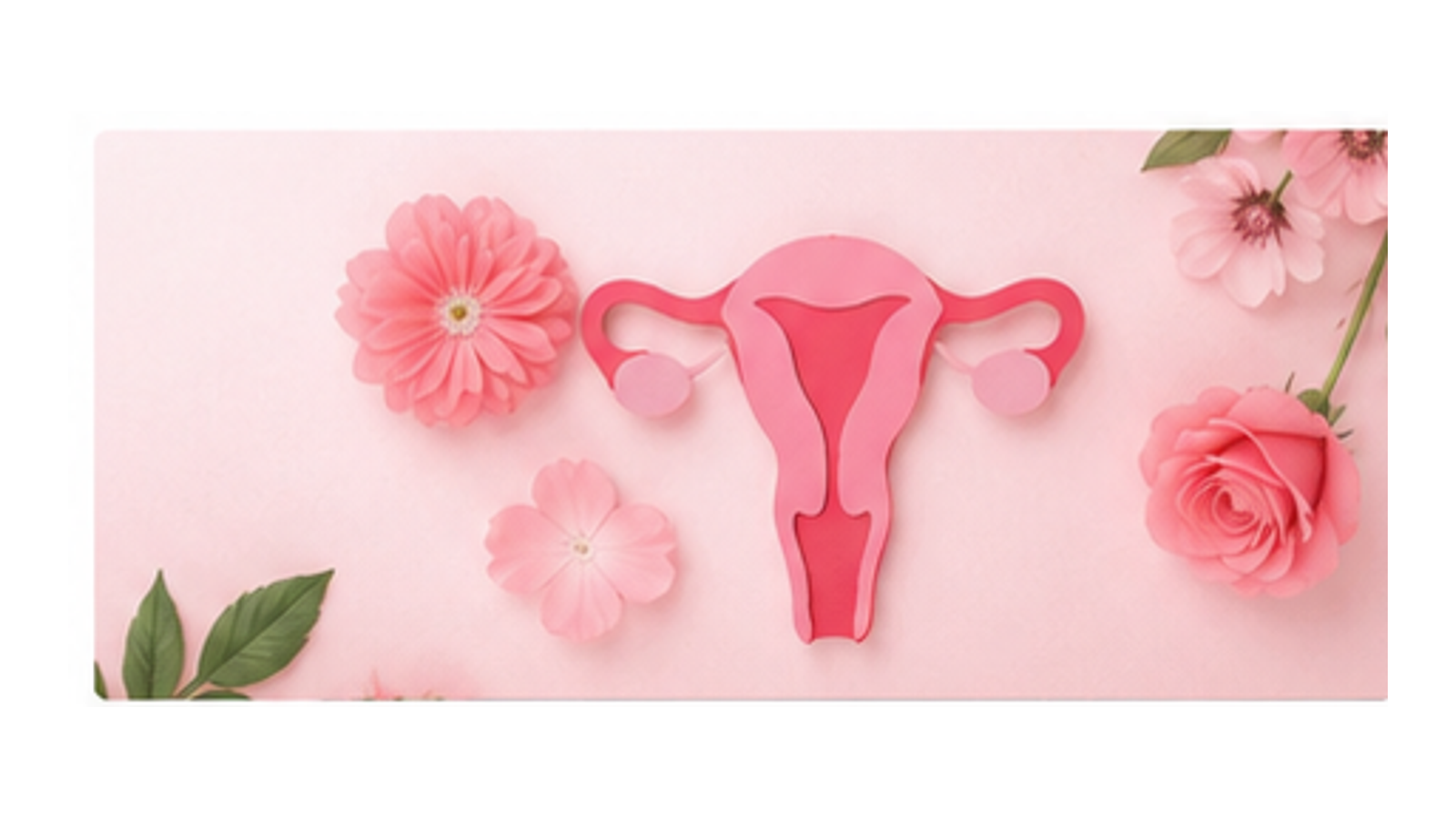
The vagina is the internal muscular canal that connects the vaginal opening with the cervix. The vulva is the external genital area, including the labia and the vaginal opening. Although people often use “vagina” for both, the distinction matters when describing symptoms.
The American College of Obstetricians and Gynecologists (ACOG) explains normal vulvovaginal health and notes that healthy appearance varies naturally. Color, shape and size alone cannot show whether a person has a medical problem. Some changes are internal and cannot be judged by appearance.
How Vaginal Changes With Age Can Happen
As the body approaches menopause, estrogen production generally becomes less predictable and eventually declines. Estrogen helps maintain the vaginal lining, natural moisture and flexibility. When it falls, some people notice changes, while others have few or no symptoms.
1. Less natural moisture
Vaginal fluid may decrease, making dryness or sensitivity more noticeable. This is not limited to older age: the NHS guide to vaginal dryness also lists other causes, including breastfeeding, some medicines and certain medical treatments.
2. Thinner, less flexible tissues
Lower estrogen can affect the thickness and elasticity of the vaginal lining. As described in Mayo Clinic’s GSM overview, these changes may sometimes make the tissue more sensitive to irritation or friction. They do not occur to the same degree in everyone.
3. Changes in the vulva
The outer genital tissues may become drier or more sensitive during menopause. Natural differences in vulvar appearance are common at all ages. New sores, persistent itching or other concerning skin changes should not be labelled “normal aging” without an assessment.
4. Urinary changes
Estrogen also affects tissues around the urethra and bladder. Some people notice a more frequent or urgent need to urinate or develop recurrent urinary infections. These symptoms can have several possible causes, so they should not automatically be attributed to menopause.
Why Menopause and Estrogen Matter
Perimenopause is the transition leading up to menopause. Its timing and length vary. The Menopause Society’s perimenopause guidance explains that vaginal and vulvar symptoms may be absent at first and may become more noticeable years later.
Menopause is reached after 12 consecutive months without a menstrual period when there is no other explanation. Many people go through it in midlife, but the timing varies. Surgery affecting the ovaries or certain cancer treatments can also cause an earlier drop in estrogen.
These hormonal shifts may reduce moisture and change the vaginal environment. A shift in the usual balance of bacteria can occur as estrogen falls, but vaginal pH or appearance alone is not enough for a diagnosis. A clinician looks at the whole picture.
What Is Genitourinary Syndrome of Menopause (GSM)?
GSM is the current medical term for a collection of genital and urinary symptoms linked to lower estrogen and other hormone changes around menopause. Older articles may call it “vaginal atrophy” or “atrophic vaginitis.” The newer term recognizes that symptoms can involve more than the vagina. See the Cleveland Clinic explanation of GSM for a clinical overview.
Possible symptoms include:
- Ongoing vaginal or vulvar dryness, burning, itching or irritation.
- Discomfort linked to sensitive or less flexible vaginal tissue.
- Urinary urgency, increased frequency or repeat urinary tract infections.
- Occasional spotting associated with irritated tissue—although bleeding must still be checked.
According to The Menopause Society’s symptom guide, GSM symptoms may continue or become more bothersome without suitable care. Importantly, not every person with menopause develops GSM, and none of these symptoms confirms GSM on its own.
What the Research Says: The 2025 Clinical Guideline
A 2025 evidence-based clinical guideline published in The Journal of Urology assessed research on hormonal and nonhormonal care for GSM. Its evidence review drew on 68 publications and found the most robust evidence for low-dose local vaginal estrogen among the evaluated therapies.
That finding does not mean everyone needs hormone treatment. Symptoms, health history, preferences and other possible explanations must guide care. The guideline also emphasizes evaluating other causes before assuming GSM is responsible.
Vaginal Dryness Does Not Always Mean Menopause
Dryness can also happen during pregnancy or breastfeeding, with some medications, after particular medical treatments or with irritation from fragranced products. It may have more than one cause. That is why age alone does not provide a reliable diagnosis.
The NHS overview of causes and support for vaginal dryness recommends medical advice when symptoms persist, interfere with daily activities or occur with unusual discharge or bleeding.
Expected Changes vs. Symptoms That Need Checking
| Possible change | What it may mean | Best next step |
|---|---|---|
| Less moisture or mild dryness | May relate to hormonal change, products or medication | Review triggers; seek care if it persists |
| Sensitivity or reduced flexibility | Can accompany lower estrogen | Discuss symptoms and comfort with a clinician |
| Urgency or repeated urinary problems | May involve GSM, infection or another cause | Seek assessment rather than self-diagnose |
| Unusual discharge, persistent itching or sores | Not specific to menopause; other causes are possible | Arrange a healthcare evaluation |
| Any bleeding after menopause | Requires evaluation even if tissue dryness seems likely | Contact a healthcare professional promptly |
This table is a guide to conversations with a clinician, not a way to diagnose symptoms at home.
How a Healthcare Professional May Assess Symptoms
A clinician may ask when symptoms began, whether menstrual periods have stopped, what medicines someone takes and whether there are urinary symptoms. Depending on the concern, a physical examination or tests for infection may be appropriate. The goal is to identify the cause rather than assume every change is hormonal.
This is particularly important when symptoms appear for the first time after a long period without problems. Some vaginal and vulvar skin conditions can resemble GSM, and urinary symptoms may need separate assessment.
What Can Help With Menopause-Related Dryness or GSM?
Start with gentle care
Avoiding scented washes, deodorants and douching can help reduce irritation. The ACOG vulvovaginal health recommendations support gentle care rather than harsh cleansing. Choose products designed for sensitive external skin and stop using anything that causes discomfort.
Nonhormonal options
Vaginal moisturizers can help with ongoing dryness, while lubricants can reduce friction-related discomfort. They have different purposes. Mayo Clinic’s treatment guide describes these as common nonprescription options and explains when additional treatment may be considered.
Prescription treatment may be appropriate
For symptoms that continue, clinicians may discuss treatments such as low-dose vaginal estrogen or other therapies. The NHS guidance on local vaginal estrogen explains that it targets vaginal symptoms and differs from body-wide hormone therapy. A qualified professional can help decide what is suitable, especially when there is a history of hormone-sensitive conditions or unexplained bleeding.
Treatment should focus on a person’s symptoms and goals—not on making intimate anatomy look a particular way. Persistent problems deserve care because relief is possible.
When to Speak With a Doctor
Seek advice if dryness, soreness, burning or urinary symptoms persist or affect everyday life. Arrange an appointment for new sores, unusual discharge or significant skin changes. Most importantly, ACOG recommends medical evaluation for any bleeding after menopause, even if it seems minor. A health professional can advise how quickly an assessment is needed.
It can help to write down when the change began, what makes it better or worse and any new medicines or products. This gives a clinician useful information without relying on appearance alone.
Common Myths About Vaginal Aging
Myth: Every body should look the same as it gets older. Reality: External anatomy varies naturally. There is no single appearance that defines a healthy vulva.
Myth: Dryness is always just normal aging. Reality: It may relate to menopause, but irritation, medication effects and other health conditions can also contribute.
Myth: GSM is inevitable and cannot improve. Reality: Not everyone experiences GSM, and evidence-based treatments can relieve symptoms.
Myth: Bleeding after menopause can be ignored if there is dryness. Reality: Bleeding after menopause always merits professional evaluation.
Frequently Asked Questions
Does the vagina change with age?
Yes. Hormone changes, especially around menopause, can affect moisture, tissue thickness and flexibility. The extent varies considerably between individuals.
Why is vaginal dryness more common after menopause?
Lower estrogen can reduce natural moisture and change vaginal tissue. Dryness can also have causes unrelated to menopause.
What is the difference between the vagina and vulva?
The vagina is the internal canal. The vulva is the outer genital area. Both can be affected by hormone changes, but their symptoms and appearance are not identical.
What is genitourinary syndrome of menopause (GSM)?
GSM describes genital and urinary symptoms associated with hormonal changes around menopause. Symptoms can include dryness, irritation and some urinary concerns.
Can GSM symptoms begin before menopause?
Yes. Some people notice symptoms during perimenopause, while others develop them years after menopause. There is no single timeline.
Can vaginal dryness happen at younger ages?
Yes. Dryness is not exclusive to menopause. Breastfeeding, some medicines, certain treatments and irritating products may play a role.
Are there treatments for menopause-related vaginal dryness?
Yes. Depending on the cause and severity, care may include nonhormonal moisturizers or a clinician-recommended prescription treatment.
When should someone see a doctor about vaginal changes?
Speak with a healthcare professional about persistent pain, itching, unusual discharge, urinary difficulties, skin changes or any bleeding after menopause.
The Bottom Line
Vaginal changes with age are influenced by hormones, overall health and personal circumstances. For some people, menopause brings few noticeable changes. Others experience dryness, irritation or urinary symptoms that can affect daily comfort. None of these experiences should be judged by appearance alone.
Better understanding makes it easier to recognize when to seek care. For related background on normal variation, read our guide to mature vaginal and vulvar changes. For ongoing symptoms, a healthcare professional can help identify the cause and explain appropriate options.
Medical information note: This article is educational and does not provide a diagnosis or replace advice from a licensed healthcare professional.