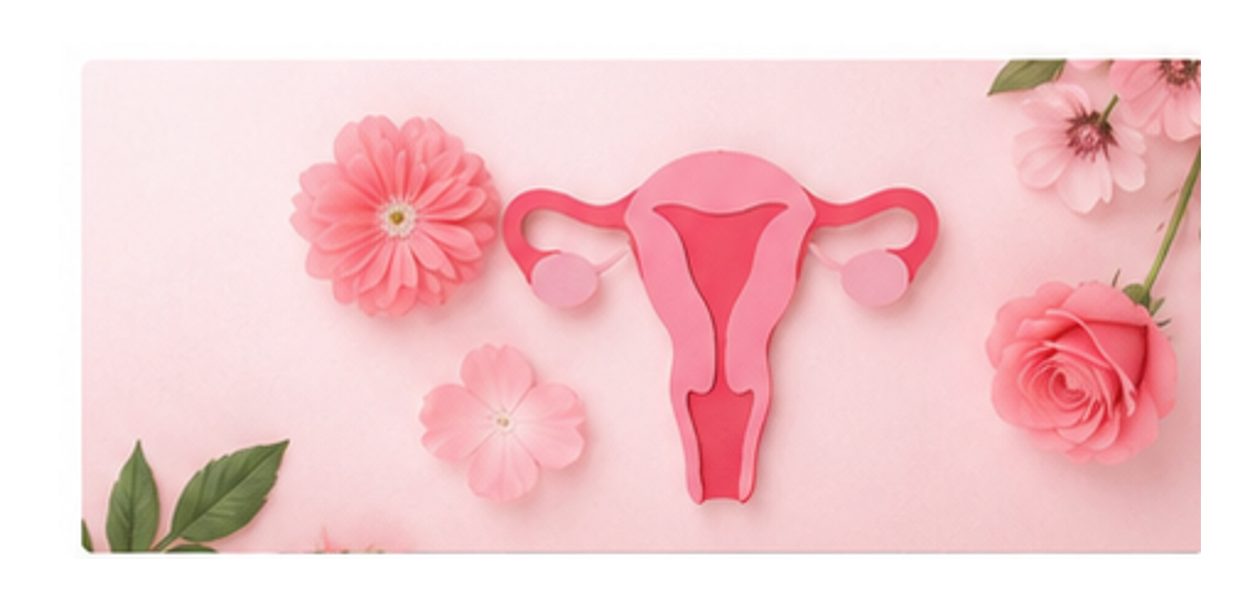
There was a time when people did not talk openly about private health topics, and the changes that happen in the body with age were often ignored. But today, people want to know more about their health, especially about the changes that naturally happen in the body as age increases. Similarly, some normal changes can also happen in the vagina and vulva over time. These changes are not the same in every woman, and things like age, hormones, and menopause can affect them. But it is not right to consider something normal or abnormal just by looking at its appearance. We should first understand what the vagina and vulva are, what kinds of changes can happen in them with age, and in which situations it is better to talk to a doctor. In today’s topic, we will understand this in simple words.
ACOG: What Changes Can Happen With Age and Menopause?
With age, natural changes can also happen in the intimate areas of the body. During perimenopause and menopause, due to a decrease in estrogen, vaginal tissue can become a little dry, thin, and less flexible. Natural discharge may also be less than before.
In simple words, with age, a change in the look and feel of the intimate area can be normal. Not every change means that there is a health problem.
Mayo Clinic: Vaginal Dryness Can Be Common in Older Age
Vaginal dryness can happen at any age, but with increasing age and especially after menopause, it can become more common. One reason for this is a decrease in the estrogen hormone.
In simple words, in older age, not only the appearance changes. Due to hormonal changes, natural changes can also happen in the tissues of the intimate area.
Cleveland Clinic: What Is GSM?
Earlier, doctors used the name vaginal atrophy more for this condition. Now the term Genitourinary Syndrome of Menopause (GSM) is used for it.
The reason is that the changes of menopause are not limited only to the vagina. Due to hormonal changes, some symptoms can also happen in the urinary area.
In simple words, GSM describes those changes after menopause that can affect both vaginal and urinary health.
The Menopause Society: Changes Can Develop Over Time
Due to a decrease in estrogen, the vulva and vaginal tissues can become thinner, dry, and less flexible. These changes do not start at the same time in every person. Some people do not feel any special symptom at the beginning of perimenopause, while in some, the changes appear a few years after menopause.
In simple words, aging does not affect everyone in the same way. When the changes start and how noticeable they are can be different from person to person.

Mayo Clinic: GSM Is Not Just About Appearance
GSM can also include dryness, irritation, and urinary problems. Due to a decrease in estrogen, vaginal tissues can become thinner, dry, and less flexible.
Therefore, it would not be right to limit the article only to appearance. Natural body changes that happen with aging, hormones, and health should also be discussed in simple words.
The flow of the article can be like this: first explain the basic difference between the vulva and vagina, then cover the changes with age, menopause and the role of estrogen, dryness, and GSM. At the end, it should also be mentioned that if discomfort continues or there is any unusual symptom, it is better to talk to a doctor.
FAQs
1. Does the vagina change with age?
Yes, the vagina can naturally change with age. Hormonal changes may affect its moisture, elasticity, and tissue over time. These changes can be different for every woman.
2. Why does vaginal dryness increase after menopause?
After menopause, estrogen levels usually decrease. This can reduce natural moisture and make vaginal tissues feel drier or more sensitive than before.
3. Are vulvar changes normal with aging?
Yes, some changes in the vulva can be a normal part of aging. The skin and tissues may change in appearance, thickness, or elasticity as a person gets older.
4. At what age do vaginal changes usually begin?
There is no fixed age because every body is different. Some changes may begin during perimenopause, often in the 40s, while others may become more noticeable after menopause.
5. When should someone talk to a doctor about vaginal changes?
It is better to speak with a doctor if there is ongoing pain, unusual bleeding, strong irritation, unusual discharge, or any change that feels concerning or does not improve.