Oil Change: When to Change Oil, Signs, Cost & Oil Types
There was a time when people did not use cars as much and could manage with basic maintenance. Today, cars are an important part of daily life. People use them for work, shopping, travel, and many other daily tasks. Because people drive more, the engine works for long periods, and the oil inside it slowly becomes old and dirty. Many people keep driving but ignore this service until the car shows a problem.
Engine oil helps the engine run smoothly, so changing it on time is an important part of car maintenance. But simply hearing the term “oil change” is not enough. We should also know what the service actually is, when we should do it, and what can happen if we delay it for too long. In today’s topic, we will explain this service in simple words and see why it is important for a car.
AAA Research – What Does Engine Oil Actually Do?
People often think that the only job of engine oil is to help the engine run smoothly, but oil plays a more important role than that. It reduces friction between the moving parts of the engine and helps protect them from too much heat. At the same time, it also helps carry dirt collected inside the engine to the filter and protects parts from rust.
That is why simply having oil in the engine is not enough. Along with the amount of oil, its condition is also important. Low oil and old or dirty oil are two different problems.
Consumer Reports – How Often Should Oil Be Changed?
The service time is not the same for every car. Some cars need fresh oil sooner, while some modern cars can run longer on the same oil.
Today, many cars have a service reminder or oil-life system that tells the driver when it is time to replace the oil. That is why the best option is to check your car’s owner’s manual. There, you can find the correct oil type and the proper service schedule.
A common statement is that every car must have its oil changed after 3,000 miles. However, this rule does not apply to every car. The oil-change time depends on the car model, engine, oil type, and the way you drive.
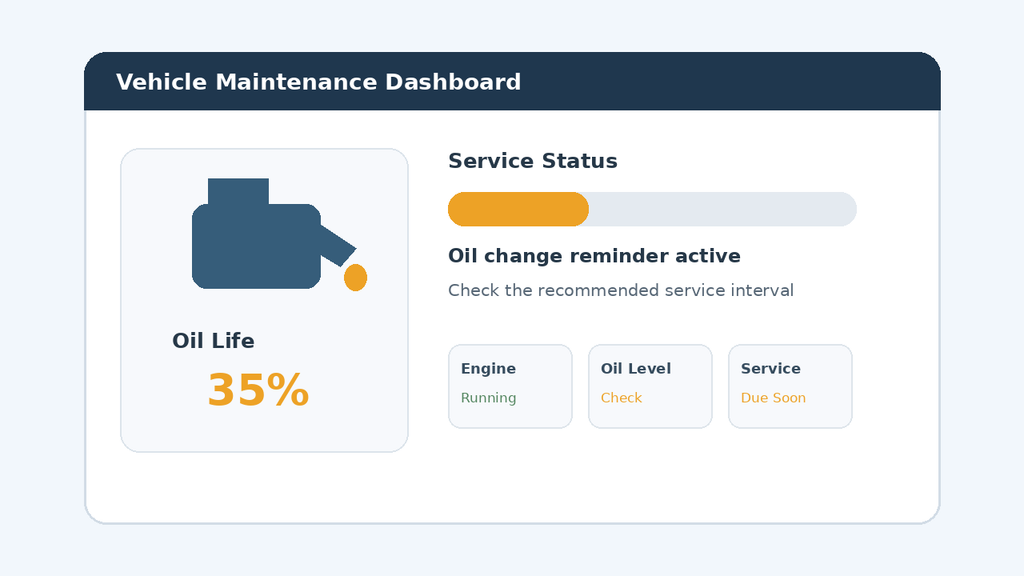
Ford Research – Driving Style Also Changes the Oil Interval
In a Ford vehicle, the oil-change time is not decided by mileage alone. It also depends on how and under what conditions you are driving the car.
With normal driving, the oil may last longer. However, if the car is used for short trips, stays in traffic for long periods, or is driven at slow speeds more often, the oil may need to be changed sooner.
That is why even if two people drive the same car model, both may not need fresh oil at the same mileage. Every car is used differently, and driving styles can also differ.
Firestone Research – Signs Your Car May Need Fresh Oil
Signs Your Car May Need Fresh Oil
A car often gives some signs when it may need fresh oil. For example:
- Oil or maintenance warning light turning on
- Engine making more noise than normal
- Engine oil being very dirty or low
- Fuel average becoming lower
- A smell similar to burning oil
- The recommended oil-change time passing
It is better to follow the oil-change schedule recommended by the car company.
If the warning light is on or the engine behaves unusually, do not ignore it by assuming that it is only an oil-change issue. Sometimes there may be another mechanical problem in the car.
Jiffy Lube Research – What Can This Service Include?
This service includes more than removing old engine oil and adding new oil. During the service, the mechanic often replaces the oil filter so clean oil can move through the engine.
The mechanic checks the oil level and, if needed, may also look at other basic vehicle fluids and tire pressure. In some vehicles, the mechanic may also reset the oil-life or service indicator after the service.
In this way, regular service helps the engine run smoothly and may reduce the chances of major engine problems later.
Latest AAA Research – Why Does Old Oil Become a Problem?
If you do not change engine oil on time, it slowly becomes old and less effective. Heat and regular driving slowly reduce the quality of the oil.
Over time, dirt and waste produced inside the engine can also mix with the oil. This can make the oil thicker, and the engine parts may not get proper lubrication.
When proper oiling decreases, friction and heat between engine parts can increase. This can also affect engine performance.
That is why it is better to check the owner’s manual or oil-fill cap to know the correct engine oil and viscosity for your car.
Synthetic vs Conventional Oil
Conventional oil is normal or traditional motor oil. Drivers have used it in vehicles for a long time.
Oil makers specially refine and prepare synthetic oil. It can provide better protection and performance in some engines and driving conditions.
However, this does not mean that synthetic oil is always best for every vehicle. The most important thing is to follow the oil specification and viscosity recommended by your car manufacturer. Some vehicles also require synthetic oil.
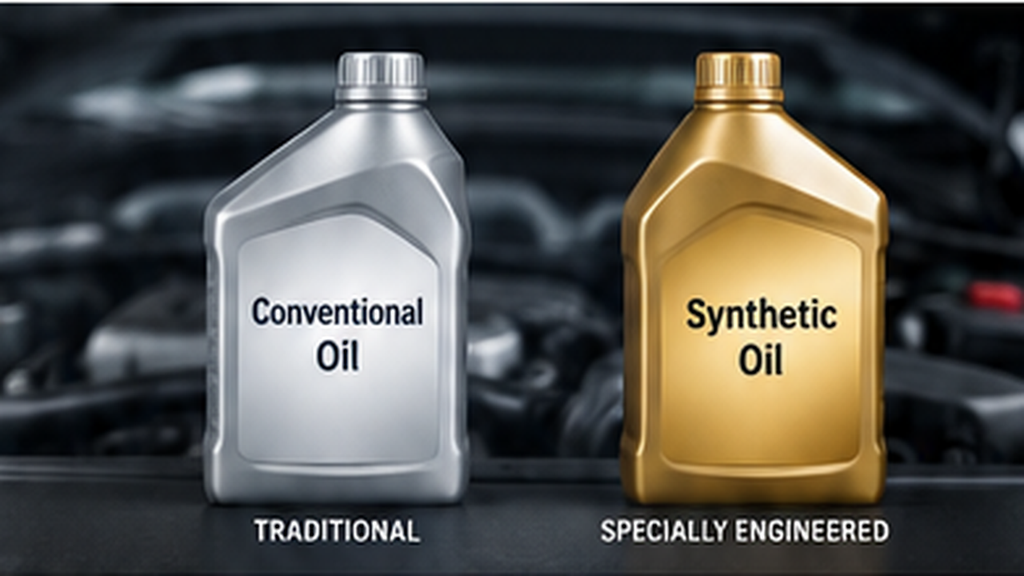
Conventional vs Synthetic Oil: Quick Comparison
| Oil Type | What It Is | Possible Benefit | What Matters Most |
| Conventional Oil | Traditional motor oil | Used in vehicles for a long time | Follow the manufacturer’s required specification and viscosity |
| Synthetic Oil | Specially refined and prepared oil | Can offer better protection and performance in some engines and conditions | Some vehicles require it; follow the manufacturer’s recommendation |
FAQs
1. What is an oil change?
An oil change means removing the old engine oil from your car and replacing it with fresh oil. In most cases, the mechanic also changes the oil filter. Fresh oil helps the engine parts move smoothly and reduces friction.
2. How often should I change my car’s oil?
There is no single oil-change time for every car. It depends on the car model, engine type, oil type, and driving conditions. The best option is to check your car’s owner’s manual or oil-life reminder.
3. How much does an oil change cost?
The cost of an oil change depends on the type of oil, car model, location, and service center. Full synthetic oil usually costs more than conventional oil. Some services may also include a new oil filter and basic vehicle checks.
4. How long does an oil change take?
A basic oil change usually does not take very long. In many service centers, it may take around 30 to 60 minutes. The time can be longer if the workshop is busy or extra checks are needed.
5. What happens if you don’t change your oil?
Old oil can become dirty and less effective over time. This may increase friction and heat inside the engine. If you ignore oil changes for a long time, this can increase engine wear and may lead to costly repairs.
6. What are the signs you need an oil change?
Common signs can include an oil warning light, dark or dirty oil, unusual engine noise, or reaching the recommended service time. However, some of these signs can also point to other car problems.
7. Is synthetic oil better than conventional oil?
Synthetic oil can provide better protection in some engines and extreme temperatures. It may also last longer than conventional oil. However, the right choice depends on what your car manufacturer recommends.
8. Can I just add oil instead of changing it?
Adding oil and changing oil are not the same thing. Adding oil can help if the oil level is low, but it does not remove old, dirty oil from the engine. If your car is due for an oil change, simply adding more oil is not a proper replacement.
Yoast SEO
Focus Keyphrase: oil change
SEO Title: Oil Change: When to Change Oil, Signs, Cost & Oil Types
Slug: oil-change-guide
Meta Description: Learn what an oil change is, when your car may need one, common warning signs, service details, and synthetic vs conventional oil in simple terms.