
Max Klein Edmonton Health Alert: What Former Clients Should Know
A public health alert involving Max Klein in the Edmonton area has attracted attention.
According to CityNews Edmonton, Alberta health officials are warning people who received certain health services from Klein.
The reported services include injections, aesthetic procedures and other medical treatments.
Officials say former clientsMax Klein Edmonton Health Alert: What Former Clients Should Know
A public health alert involving Max Klein in the Edmonton area has attracted attention.
According to CityNews Edmonton, Alberta health officials are warning people who received certain health services from Klein.
The reported services include injections, aesthetic procedures and other medical treatments.
Officials say former clients should speak with a health-care professional. They may also need testing or follow-up care.
The story has also been covered by CTV News and CP24.
However, it is important to separate confirmed facts from current allegations.
One confirmed fact comes from Alberta’s medical regulator. The College of Physicians & Surgeons of Alberta lists Max F. Klein as inactive and struck from the register.
CPSA also reported in 2022 that a Hearing Tribunal cancelled his registration and practice permit.
Why Did Alberta Health Officials Issue the Alert?
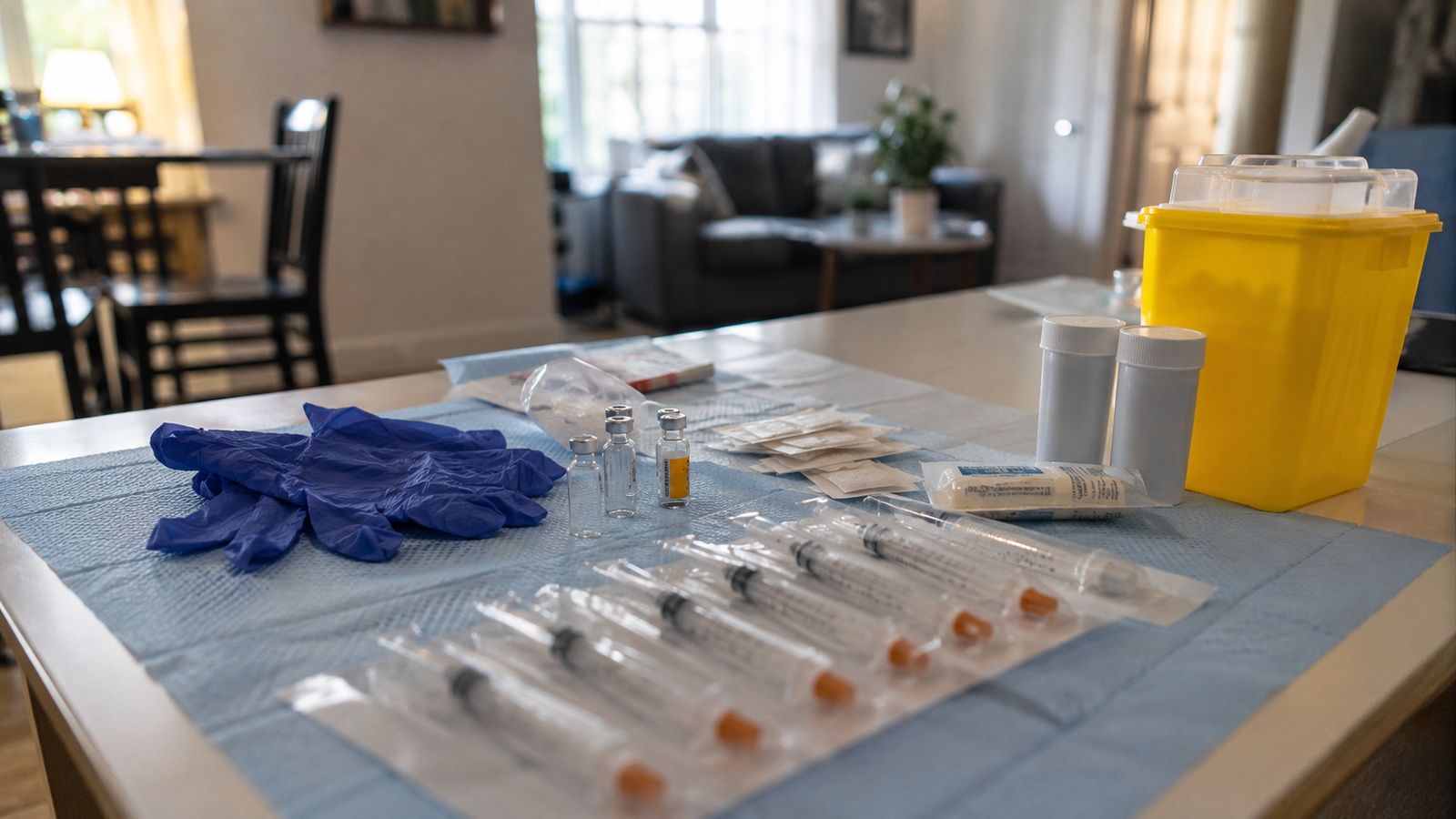
According to current reports, officials received information about alleged health services being provided in a home-based setting.
The reported services included medical treatments, injections and aesthetic procedures.
Authorities say Klein was not licensed to practise medicine in Alberta at the time.
As a result, officials raised concerns about infection prevention and patient safety.
In particular, reports mention possible exposure to blood-borne infections. These include hepatitis B, hepatitis C and HIV.
However, this does not mean every former client has an infection.
The alert describes a possible exposure risk. It does not confirm that transmission happened in every case.
This difference is important.
Public health alerts are designed to help people decide whether they need testing or medical follow-up.
Who May Be Affected?
The warning applies to people who received health-related services from Max Klein in the Edmonton area.
Reports mention several types of services, including:
- injections;
- aesthetic procedures;
- medical treatment;
- other health-related services.
Some former clients may not know whether their treatment falls under the alert.
In that situation, officials recommend getting professional advice rather than trying to judge the risk alone.
CityNews reports that people can contact Health Link at 811.
They can also speak with their regular health-care provider.
What Should Former Clients Do?
Current reporting gives several important steps.
| Step | What to Do |
|---|---|
| 1 | Call Health Link at 811 for advice about possible exposure. |
| 2 | Speak with your regular health-care provider if possible. |
| 3 | Follow any testing or monitoring advice given by qualified professionals. |
| 4 | Seek prompt medical care if you have serious or urgent symptoms. |
Most importantly, people should follow advice from qualified health professionals.
This article summarizes public information. It is not personal medical advice.
Why Are Hepatitis B, Hepatitis C and HIV Mentioned?
These infections can spread through blood and certain body fluids.
Therefore, health authorities pay close attention to infection-control procedures when injections or skin-penetrating treatments are involved.
Proper medical procedures require careful hygiene and safety practices.
The public alert does not confirm that any particular person became infected.
Instead, officials want potentially affected people to seek professional advice.
A health-care provider can consider the type of procedure, the timing and other details.
They can then decide whether testing is appropriate.
Is Max Klein Licensed to Practise Medicine in Alberta?
The CPSA public directory does not show an active Alberta medical licence for Max F. Klein.
Instead, the CPSA physician directory lists him as “Inactive – Struck from Register.”
In September 2022, CPSA reported that a Hearing Tribunal cancelled his registration and practice permit.
The decision followed an earlier finding of unprofessional conduct.
According to CPSA, that case involved a 2015 incident. The regulator said an illicit substance was administered to a colleague without that person’s knowledge or consent.
The June 2022 CPSA professional conduct report provides more background on the tribunal finding.
Later, the tribunal ordered several sanctions.
These included cancellation of Klein’s registration and practice permit. It also included a reprimand and responsibility for investigation and hearing costs.
Why the Word “Alleged” Matters
Klein’s licensing history is part of an established regulatory record.
However, the reported 2026 home-based services are a different matter.
Current news reports describe those services as alleged.
Therefore, an accurate article should not present every current claim as a proven fact.
Using words such as “alleged,” “officials say,” and “according to health authorities” keeps the reporting accurate.
What Is Known So Far?
Several facts are clear from current reports and regulatory records.
- Alberta health officials issued a public warning.
- Former clients have been advised to contact 811 or a health-care provider.
- Reports mention possible exposure concerns involving hepatitis B, hepatitis C and HIV.
- CPSA lists Klein as inactive and struck from the register.
However, some things have not been established by the current alert.
For example, the warning does not say every former client was exposed.
It also does not say every former client has an infection.
In addition, current reports do not establish that every allegation connected with the 2026 services has been proven in a final legal proceeding.
Why Checking a Medical Provider’s Licence Matters
Patients should check whether a medical provider is properly licensed.
This is especially important before receiving injections or other medical procedures.
In Alberta, people can check physician registration through the CPSA public directory.
A licence check is only one step.
Patients can also ask about infection-control practices, the treatment setting and after-care.
Together, these checks can help people make more informed decisions.
How Major News Outlets Are Reporting the Story
Several Canadian outlets have covered the alert.
CTV News focuses on the advice for former patients to consider testing.
Meanwhile, CityNews Edmonton focuses on the public alert involving alleged unlicensed medical services.
CP24 also reported the warning for a wider Canadian audience.
For licensing information, CPSA is the strongest primary source.
The regulator maintains Alberta’s physician register and professional conduct records.
Final Takeaway
The Max Klein Edmonton story is mainly a public health alert.
People who received health services from Klein are being advised to contact qualified health professionals.
They can ask whether testing or follow-up care is necessary.
The warning mentions possible exposure to hepatitis B, hepatitis C and HIV.
However, it does not mean every former client has an infection.
In addition, CPSA currently lists Klein as inactive and struck from the register.
His Alberta registration and practice permit were cancelled in 2022.
As the 2026 situation develops, readers should rely on official public health guidance and verified regulatory information.
Frequently Asked Questions
Why is Max Klein trending in Edmonton?
Alberta health officials issued a public alert involving alleged unlicensed health services in the Edmonton area.
Former clients have been advised to ask about possible testing and follow-up care.
Are former clients confirmed to have HIV or hepatitis?
No.
The current public alert describes a possible exposure risk. It does not say every former client has hepatitis or HIV.
What should former clients do?
Current reports advise people to call Health Link at 811 or speak with a health-care provider.
A professional can decide whether testing or follow-up is appropriate.
Is Max Klein currently licensed as a doctor in Alberta?
CPSA lists Max F. Klein as inactive and struck from the register.
The regulator reported that his registration and practice permit were cancelled in 2022.
Why does the article use the word “alleged”?
The 2026 claims about home-based services are current allegations.
Therefore, they should not be presented as proven facts unless an authority makes a final finding.